
The Morning You Notice It
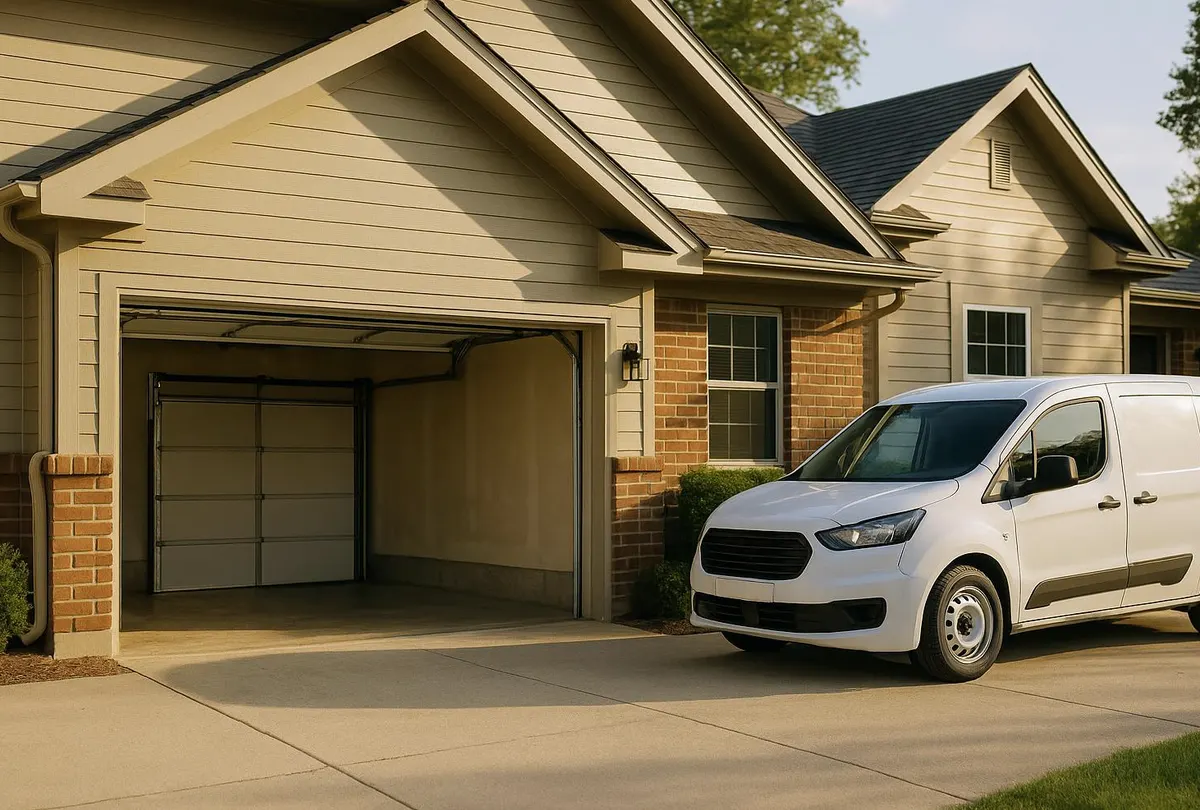
It's one of those first genuinely cool mornings — the kind where you finally crack the garage door open to let some drier air in, and instead of the smooth glide you're used to, you get a groan, a shudder, or a door that stops halfway and reverses for no reason. Maybe the opener sounds like it's working harder than it did back in August. Maybe you spot a thin line of rust on the track that wasn't there before the last round of storms. None of this is random. It's the garage telling you that months of heat, humidity, and salt air have finally caught up with it, right as the weather shifts into the mildest stretch of the year.
Why Florida's "Winter" Still Wears Down a Garage Door
Garage doors in this part of Florida don't deal with ice and snow, but they take a different kind of beating. Through hurricane season, panels and hardware sit through weeks of high humidity, sudden downpours, and salt-laden air drifting in from the coast. That combination is exactly what causes rust to form on springs, hinges, and track bolts, and it's why wood or wood-composite panels can swell slightly during the wettest months. When the cooler, drier air of late fall and winter finally arrives, everything contracts again. Metal hardware that rusted while damp can seize up or bind as it dries out. Panels that swelled can settle unevenly. The net result is a door that moves differently than it did a few months ago, even though nothing "broke" in a single dramatic moment.
This is also the calm window between storm seasons, which makes it the right time to look closely at the hardware that matters most during high wind — tracks, struts, and the bolts holding them to the frame. You won't be fighting an active storm to do it.
Walk the Door Like a Technician Would
Before you touch any tools, spend five minutes actually looking at the door while it's closed, then watch it move.
- Check the springs for rust pitting or visible wear on the coils. Surface rust is common near the coast; deep pitting or flaking is a sign the spring's strength is compromised.
- Look at the tracks for rust streaks, dents, or spots where they've pulled slightly away from the wall — a common issue after months of humidity swelling the mounting lumber.
- Inspect the rollers and hinges. If they look crusty or you hear grinding rather than a smooth roll, they need lubrication or replacement.
- Test the balance. Disconnect the opener (pull the release cord) and lift the door halfway by hand. It should stay in place. If it drifts down or shoots up, the springs are out of balance and shouldn't be adjusted by hand — that's a job for a technician, since garage door springs are under serious tension.
- Listen while it runs. Grinding, popping, or a door that jerks instead of gliding usually points to worn rollers, a bent track, or hardware that's loosened from seasonal expansion and contraction.
Weatherproofing for Drier Air and the Next Storm Cycle
Once you know what shape the hardware is in, focus on the seals and lubrication, since these are the parts most affected by the humidity-to-dry swing.
- Replace cracked or flattened bottom weatherstripping. Months of heat and moisture break this down faster here than in drier climates. New seals keep out cooler drafts now and heavy rain later.
- Check the threshold seal where the door meets the slab. Afternoon downpours during the warmer months can push water underneath; a worn threshold often shows up as water stains or warped flooring just inside the garage.
- Lubricate rollers, hinges, and the track with a silicone-based lubricant rather than household oil. Silicone resists washing out in humidity and won't attract the dust and salt residue that thickens into grime near the coast.
- Re-torque visible bolts on the track brackets and reinforcement struts. Wood framing around garage openings can swell and shrink with moisture changes, which gradually loosens hardware even if nothing looks obviously wrong.
Opener and Safety Checks Before Everyone's In and Out More
With cooler evenings, most households end up using the garage door more — more trips for errands, more time with the door open while unloading. A few quick opener checks go a long way:
- Test the photo-eye sensors near the bottom of the tracks. Wipe off any dust or cobwebs, and confirm the door reverses immediately when something breaks the beam.
- Check the auto-reverse function by placing a block of wood on the ground where the door closes. It should reverse on contact every time.
- Replace the backup battery in the opener if your model has one — useful during any storm-related outages that roll through later in the year.
- Test remotes and keypad range now, while it's convenient, rather than during the next downpour when you're stuck waiting in the driveway.
When to Call New Smyrna Beach Garage Door
If the balance test fails, the springs show real wear, or the door is grinding instead of gliding, that's the point to stop troubleshooting and call in a technician rather than risk a hand near a tensioned spring. Our Preventive Maintenance service covers a full inspection of springs, rollers, tracks, and hardware torque, plus lubrication built for the humidity and salt air here — the kind of once-a-year tune-up that catches small issues before they turn into a dead spring on a Saturday morning. If a spring is already showing heavy rust or has lost tension, our Spring Replacement service gets it swapped safely and brings the door back into proper balance the same day.
If your garage door is sticking, groaning, or just not moving the way it used to, give New Smyrna Beach Garage Door a call. We serve homeowners throughout New Smyrna Beach, FL, and we'll have your door running smoothly before the season's done.